A few months ago, the area I live in was ravaged by two storms. Over fifteen inches of rain fell in a twenty-four-hour period, soaking the ground and causing creeks, streams, and rivers to begin to rise. Before we could catch our breath, Hurricane Helene bore down on the mountain towns of Western North Carolina, bringing another ten to fifteen inches of rain along with winds of 40-60 mph.
The devastation from flooding, mudslides, and wind was unprecedented, exceeding the levels of the 1916 flood in this area. Roads were completely washed out, homes were destroyed, people were stranded with no shelter, power was out for months in some areas, and even city water distribution systems were demolished.
Although we've had eight months to recover, there is still much evidence of the destruction across our area. Some places will never be the same. Various businesses remain closed, and some will never reopen. There are still downed trees and piles of cut brush to address; roads are still under repair, with many detours. It is estimated that 125,000 homes were damaged or destroyed, affecting 200,000 people, and the “rebuild” will take eight to ten years.
Hurricane Helene caused what has been designated as a once-in-a-thousand-year flood event, but there’s another kind of storm brewing across our world that’s happening every day. Its damage isn’t as rapid, but its effects are becoming increasingly visible, just like those huge piles of tree debris and torn-up asphalt scattered across Western North Carolina. It’s a spiritual storm known as “deconstruction.”
Deconstruction refers to the dismantling of one’s spiritual faith. Healthy deconstruction can involve reassessing false teaching or bad theology that has seeped into one’s faith and caused it to weaken. But unhealthy deconstruction can lead a person to reject the core tenets of the Christian faith, in favor of a “religion” that meets one’s felt needs, preferences, or assumptions about God.
Unlike the flood waters of a hurricane, it starts slowly, often triggered by emotional hurts that cause one to begin to question what they’ve been taught as truth. Alisa Childers and Tim Barnett, in their book, The Deconstruction of Christianity, define deconstruction in this way: “Faith deconstruction is a postmodern process of rethinking your faith without regarding Scripture as a standard.”
This article offers encouragement and wisdom to those who have traveled the path of unhealthy deconstruction and found it less than satisfying. You’ve begun to realize that you’ve discarded a few too many truths, and what was promised to provide freedom, self-determination, and autonomy from the constraints of the Christian faith has only led to emptiness.
Where do you start rebuilding? How can you put the pieces back together? What constitutes authentic, biblical faith in Christ, and what can we leave in the brush pile?
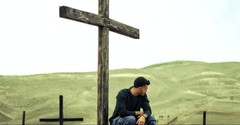
Photo credit: ©Getty Images/justocker