
Change Translation
- Recent Translations
- All Translations
1
Disse mais o Senhor a Moisés no monte Sinai:
2
Fala aos filhos de Israel e dize-lhes: Quando tiverdes entrado na terra que eu vos dou, a terra guardará um sábado ao Senhor.
3
Seis anos semearás a tua terra, e seis anos podarás a tua vinha, e colherás os seus frutos;
4
mas no sétimo ano haverá sábado de descanso solene para a terra, um sábado ao Senhor; não semearás o teu campo, nem podarás a tua vinha.
5
O que nascer de si mesmo da tua sega não segarás, e as uvas da tua vide não tratada não vindimarás; ano de descanso solene será para a terra.
6
Mas os frutos do sábado da terra vos serão por alimento, a ti, e ao teu servo, e � tua serva, e ao teu jornaleiro, e ao estrangeiro que peregrina contigo,
7
e ao teu gado, e aos animais que estão na tua terra; todo o seu produto será por mantimento.
8
Também contarás sete sábados de anos, sete vezes sete anos; de maneira que os dias dos sete sábados de anos serão quarenta e nove anos.
9
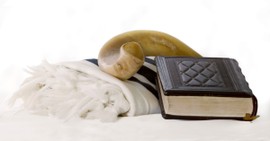
Então, no décimo dia do sétimo mês, farás soar fortemente a trombeta; no dia da expiação fareis soar a trombeta por toda a vossa terra.
10
E santificareis o ano qüinquagésimo, e apregoareis liberdade na terra a todos os seus habitantes; ano de jubileu será para vós; pois tornareis, cada um � sua possessão, e cada um � sua família.
11
Esse ano qüinquagésimo será para vós jubileu; não semeareis, nem segareis o que nele nascer de si mesmo, nem nele vindimareis as uvas das vides não tratadas.
12
Porque é jubileu; santo será para vós; diretamente do campo comereis o seu produto.
13
Nesse ano do jubileu tornareis, cada um � sua possessão.
14
Se venderdes alguma coisa ao vosso próximo ou a comprardes da mão do vosso próximo, não vos defraudareis uns aos outros.
15
Conforme o número de anos desde o jubileu é que comprarás ao teu próximo, e conforme o número de anos das colheitas é que ele te venderá.
16
Quanto mais forem os anos, tanto mais aumentarás o preço, e quanto menos forem os anos, tanto mais abaixarás o preço; porque é o número das colheitas que ele te vende.
17
Nenhum de vós oprimirá ao seu próximo; mas temerás o teu Deus; porque eu sou o Senhor vosso Deus.
18
Pelo que observareis os meus estatutos, e guardareis os meus preceitos e os cumprireis; assim habitareis seguros na terra.
19
Ela dará o seu fruto, e comereis a fartar; e nela habitareis seguros.
20
Se disserdes: Que comeremos no sétimo ano, visto que não haveremos de semear, nem fazer a nossa colheita?
21
então eu mandarei a minha bênção sobre vós no sexto ano, e a terra produzirá fruto bastante para os três anos.
22
No oitavo ano semeareis, e comereis da colheita velha; até o ano nono, até que venha a colheita nova, comereis da velha.
23
Também não se venderá a terra em perpetuidade, porque a terra é minha; pois vós estais comigo como estrangeiros e peregrinos:
24
Portanto em toda a terra da vossã possessão concedereis que seja remida a terra.
25
Se teu irmão empobrecer e vender uma parte da sua possessão, virá o seu parente mais chegado e remirá o que seu irmao vendeu.
26
E se alguém não tiver remidor, mas ele mesmo tiver enriquecido e achado o que basta para o seu resgate,
27
contará os anos desde a sua venda, e o que ficar do preço da venda restituirá ao homem a quem a vendeu, e tornará � sua possessao.
28
Mas, se as suas posses não bastarem para reavê-la, aquilo que tiver vendido ficará na mão do comprador até o ano do jubileu; porém no ano do jubileu sairá da posse deste, e aquele que vendeu tornará � sua possessão.
29
Se alguém vender uma casa de moradia em cidade murada, poderá remi-la dentro de um ano inteiro depois da sua venda; durante um ano inteiro terá o direito de a remir.
30
Mas se, passado um ano inteiro, não tiver sido resgatada, essa casa que está na cidade murada ficará, em perpetuidade, pertencendo ao que a comprou, e � sua descendência; não sairá o seu poder no jubileu.
31
Todavia as casas das aldeias que não têm muro ao redor serão consideradas como o campo da terra; poderão ser remidas, e sairão do poder do comprador no jubileu.
32
Também, no tocante �s cidades dos levitas, �s casas das cidades da sua possessão, terão eles direito perpétuo de remi-las.
33
E se alguém comprar dos levitas uma casa, a casa comprada e a cidade da sua possessão sairão do poder do comprador no jubileu; porque as casas das cidades dos levitas são a sua possessão no meio dos filhos de Israel.
34
Mas o campo do arrabalde das suas cidades não se poderá vender, porque lhes é possessão perpétua.
35
Também, se teu irmão empobrecer ao teu lado, e lhe enfraquecerem as mãos, sustentá-lo-ás; como estrangeiro e peregrino viverá contigo.
36
Não tomarás dele juros nem ganho, mas temerás o teu Deus, para que teu irmao viva contigo.
37
Não lhe darás teu dinheiro a juros, nem os teus víveres por lucro.
38
Eu sou o Senhor vosso Deus, que vos tirei da terra do Egito, para vos dar a terra de Canaã, para ser o vosso Deus.
39
Também, se teu irmão empobrecer ao teu lado e vender-se a ti, não o farás servir como escravo.
40
Como jornaleiro, como peregrino estará ele contigo; até o ano do jubileu te servirá;
41
então sairá do teu serviço, e com ele seus filhos, e tornará � sua família, � possessao de seus pais.
42
Porque são meus servos, que tirei da terra do Egito; não serão vendidos como escravos.
43
Não dominarás sobre ele com rigor, mas temerás o teu Deus.
44
E quanto aos escravos ou �s escravas que chegares a possuir, das nações que estiverem ao redor de vós, delas é que os comprareis.
45
Também os comprareis dentre os filhos dos estrangeiros que peregrinarem entre vós, tanto dentre esses como dentre as suas famílias que estiverem convosco, que tiverem eles gerado na vossa terra; e vos serão por possessão.
46
E deixá-los-eis por herança aos vossos filhos depois de vós, para os herdarem como possessão; desses tomareis os vossos escravos para sempre; mas sobre vossos irmãos, os filhos de Israel, não dominareis com rigor, uns sobre os outros.
47
Se um estrangeiro ou peregrino que estiver contigo se tornar rico, e teu irmão, que está com ele, empobrecer e vender-se ao estrangeiro ou peregrino que está contigo, ou � linhagem da família do estrangeiro,
48
depois que se houver vendido, poderá ser remido; um de seus irmãos o poderá remir;
49
ou seu tio, ou o filho de seu tio, ou qualquer parente chegado da sua família poderá remi-lo; ou, se ele se tiver tornado rico, poderá remir-se a si mesmo.
50
E com aquele que o comprou fará a conta desde o ano em que se vendeu a ele até o ano do jubileu; e o preço da sua venda será conforme o número dos anos; conforme os dias de um jornaleiro estará com ele.
51
Se ainda faltarem muitos anos, conforme os mesmos restituirá, do dinheiro pelo qual foi comprado, o preço da sua redenção;
52
e se faltarem poucos anos até o ano do jubileu, fará a conta com ele; segundo o número dos anos restituirá o preço da sua redenção.
53
Como servo contratado de ano em ano, estará com o comprador; o qual não dominará sobre ele com rigor diante dos teus olhos.
54
E, se não for remido por nenhum desses meios, sairá livre no ano do jubileu, e com ele seus filhos.
55
Porque os filhos de Israel são meus servos; eles são os meus servos que tirei da terra do Egito. Eu sou o Senhor vosso Deus.
Levítico 25 Commentary
Chapter 25
The sabbath of rest for the land in the seventh year. (1-7) The jubilee of the fiftieth year, Oppression forbidden. (8-22) Redemption of the land and houses. (23-34) Compassion towards the poor. (35-38) Laws respecting bondmen, Oppression forbidden. (39-55)
Verses 1-7 All labour was to cease in the seventh year, as much as daily labour on the seventh day. These statues tell us to beware of covetousness, for a man's life consists not in the abundance of his possessions. We are to exercise willing dependence on God's providence for our support; to consider ourselves the Lord's tenants or stewards, and to use our possessions accordingly. This year of rest typified the spiritual rest which all believers enter into through Christ. Through Him we are eased of the burden of wordly care and labour, both being sanctified and sweetened to us; and we are enabled and encouraged to live by faith.
Verses 8-22 The word "jubilee" signifies a peculiarly animated sound of the silver trumpets. This sound was to be made on the evening of the great day of atonement; for the proclamation of gospel liberty and salvation results from the sacrifice of the Redeemer. It was provided that the lands should not be sold away from their families. They could only be disposed of, as it were, by leases till the year of jubilee, and then returned to the owner or his heir. This tended to preserve their tribes and families distinct, till the coming of the Messiah. The liberty every man was born to, if sold or forfeited, should return at the year of jubilee. This was typical of redemption by Christ from the slavery of sin and Satan, and of being brought again to the liberty of the children of God. All bargains ought to be made by this rule, "Ye shall not oppress one another," not take advantage of one another's ignorance or necessity, "but thou shalt fear thy God." The fear of God reigning in the heart, would restrain from doing wrong to our neighbour in word or deed. Assurance was given that they should be great gainers, by observing these years of rest. If we are careful to do our duty, we may trust God with our comfort. This was a miracle for an encouragement to all neither sowed or reaped. This was a miracle for an encouragement to all God's people, in all ages, to trust him in the way of duty. There is nothing lost by faith and self-denial in obedience. Some asked, What shall we eat the seventh year? Thus many Christians anticipate evils, questioning what they shall do, and fearing to proceed in the way of duty. But we have no right to anticipate evils, so as to distress ourselves about them. To carnal minds we may appear to act absurdly, but the path of duty is ever the path of safety.
Verses 23-34 If the land were not redeemed before the year of jubilee, it then returned to him that sold or mortgaged it. This was a figure of the free grace of God in Christ; by which, and not by any price or merit of our own, we are restored to the favour of God. Houses in walled cities were more the fruits of their own industry than land in the country, which was the direct gift of God's bounty; therefore if a man sold a house in a city, he might redeem it only within a year after the sale. This encouraged strangers and proselytes to come and settle among them.
Verses 35-38 Poverty and decay are great grievances, and very common; the poor ye have always with you. Thou shalt relieve him; by sympathy, pitying the poor; by service, doing for them; and by supply, giving to them according to their necessity, and thine ability. Poor debtors must not be oppressed. Observe the arguments here used against extortion: "Fear thy God." Relieve the poor, "that they may live with thee;" for they may be serviceable to thee. The rich can as ill spare the poor, as the poor can the rich. It becomes those that have received mercy to show mercy.
Verses 39-55 A native Israelite, if sold for debt, or for a crime, was to serve but six years, and to go out the seventh. If he sold himself, through poverty, both his work and his usage must be such as were fitting for a son of Abraham. Masters are required to give to their servants that which is just and equal, Col. 4:1 . At the year of jubilee the servant should go out free, he and his children, and should return to his own family. This typified redemption from the service of sin and Satan, by the grace of God in Christ, whose truth makes us free, ( John 8:32 ) . We cannot ransom our fellow-sinners, but we may point out Christ to them; while by his grace our lives may adorn his gospel, express our love, show our gratitude, and glorify his holy name.
Unlock Deeper Insights: Get Over 20 Commentaries with Plus! Subscribe Now
Levítico 25 Commentaries
Chapter Summary
INTRODUCTION TO LEVITICUS 25
In this chapter the Israelites are directed, when come into the land of Canaan, to observe every seventh year as a sabbatical year, in which there was to be no tillage of the land, and yet there would be a sufficiency for man and beast, Le 25:1-7; and every fiftieth year as a year of jubilee, in which also there was to be no tillage of the land, and every man was to return to his possession or estate, which had been sold to another any time before this, Le 25:8-17; and a promise of safety and plenty in the seventh year is made to encourage the observance of it, Le 25:18-22; and several laws and rules are delivered out concerning the sale of lands, the redemption of them, and their return to their original owner in the year of jubilee, Le 25:23-28; and the sale of houses, and the redemption of them, and the difference between those in walled cities and those in villages, with respect thereunto, Le 25:29-31; and also concerning the houses of the cities of the Levites, and the fields of the suburbs of them, Le 25:32-34; to which are added some instructions about relieving decayed, persons, and lending and giving to them, without taking usury of them, Le 25:34-38; and other laws concerning the release of such Israelites as had sold themselves for servants to the Israelites, in the year of jubilee, since none but Heathens were to be bondmen and bondmaids for ever, Le 25:39-46; and of such who were sold to proselytes, Le 25:47-55.
Taken from John Gill's Exposition of the Bible
Unlock Deeper Insights: Get Over 20 Commentaries with Plus! Subscribe Now




The Almeida Atualizada is in the public domain.
Study Tools
PLUSUnlock Notes
This feature is for PLUS subscribers only. Join PLUS today to access these tools and more.
JOIN PLUSUnlock Highlights
This feature is for PLUS subscribers only. Join PLUS today to access these tools and more.
JOIN PLUSUnlock Bookmarks
This feature is for PLUS subscribers only. Join PLUS today to access these tools and more.
JOIN PLUSTrack Your Reading
Create a free account to start a reading plan, or join PLUS to unlock our full suite of premium study tools.
Already have an account? Sign in