Is There Such a Thing as Unanswered Prayer?
Share

That might seem a little unsatisfying, but let me explain. Part of the answer depends on the attitude you bring into prayer. If you are approaching prayer from the perspective of demanding God to do something, or attempting to speak something into existence, then it may feel like your prayers have gone unanswered.
People who believe this way will often shift the blame to you when what you prayed for did not happen. You are told there is something in your life hindering the answer to prayer. Usually, it is some secret sin you are harboring or a lack of faith. While sin and lack of faith can hinder prayer, if you are trying to decree and declare something into existence that God did not ordain, I can assure you that when he does not do it, sin or lack of faith are not the reasons. Honestly, it’s because you have misunderstood what prayer is.
When you approach prayer from the perspective of humbly recognizing God as your source, looking to him to provide your needs and aligning your will with his, then the question of unanswered prayer takes on a whole new focus. When you pray surrendered prayers, you are trusting God to bring the best answer into your situation. This means he may close doors you thought were best for you and open doors that are better for you.
In that case, you could say your prayer was unanswered, but not really, because you have trusted his will for your life, not yours. If you recognize that God’s will is sovereign in your life, then you don’t view life through prayers answered or not answered, but what God is looking to achieve and accomplish in your life.
Perhaps one of the most difficult areas to address is when there are sick people you are praying for who don’t get healed. I want to be careful with my words because we all have people in our lives we prayed for and who were not healed. The challenge again goes back to perspective.
If you were taught that God heals everyone, then if healing does not happen, it can shipwreck your faith. However, if you can trust God’s will even in these circumstances, while it does not make them easier to deal with, it keeps your faith intact.
I wish I could give you a better answer why God heals some and not others. More often than not, it is not about faith but about the reality of this life that we all wrestle with. One day we will pass from this life. We don’t know when, where, or how, but our hope is not just for this life. We must continue to trust God and his will even when we don’t understand it all.
This does not mean we stop praying for healing. The Bible clearly encourages us to pray for those who are sick. James wrote that the prayer of faith offered by the elders can bring healing. Jesus himself healed many people during his earthly ministry. Because of this, we should always pray, believing that God can heal.
However, even having the greatest amount of faith is no guarantee that healing will come. The Apostle Paul experienced this tension. Remember Paul had a thorn in the flesh that he asked God three times to remove, and God did not do it. Was God being cruel or unfair? No, instead he told him something that was more beneficial to him than the removal of the thorn. God told him, “My grace is sufficient for you, for my power is made perfect in weakness” (2 Corinthians 12:9).
Paul prayed with faith, with sincerity, and I will add, with the expectation of God doing it. Yet God did something different. Did God ignore Paul’s prayer? No. He gave Paul more grace to endure the situation. In this occasion, God’s sustaining grace was more important for Paul’s life than healing from the thorn in the flesh. This reminds us that sometimes the answer to prayer is not the removal of the problem but the strength to endure it.
When you understand prayer and its full context, then you discover that there are unanswered prayers. However, when your faith is in God’s will and his plan for your life, then you learn to view them through a different lens. This lens will not always make sense, and you may come away with more questions than answers. The difference is that this perspective leaves you fully trusting in God and does not leave you hopeless.
Prayer is not about controlling God but trusting God. Whether the answer comes immediately, is delayed, or God does something different from what you prayed for, you can know that he has heard you, he loves you and he has your best interest at heart, even when what he does differs from what you asked for.
Photo credit: ©Getty Images/witsarut sakorn
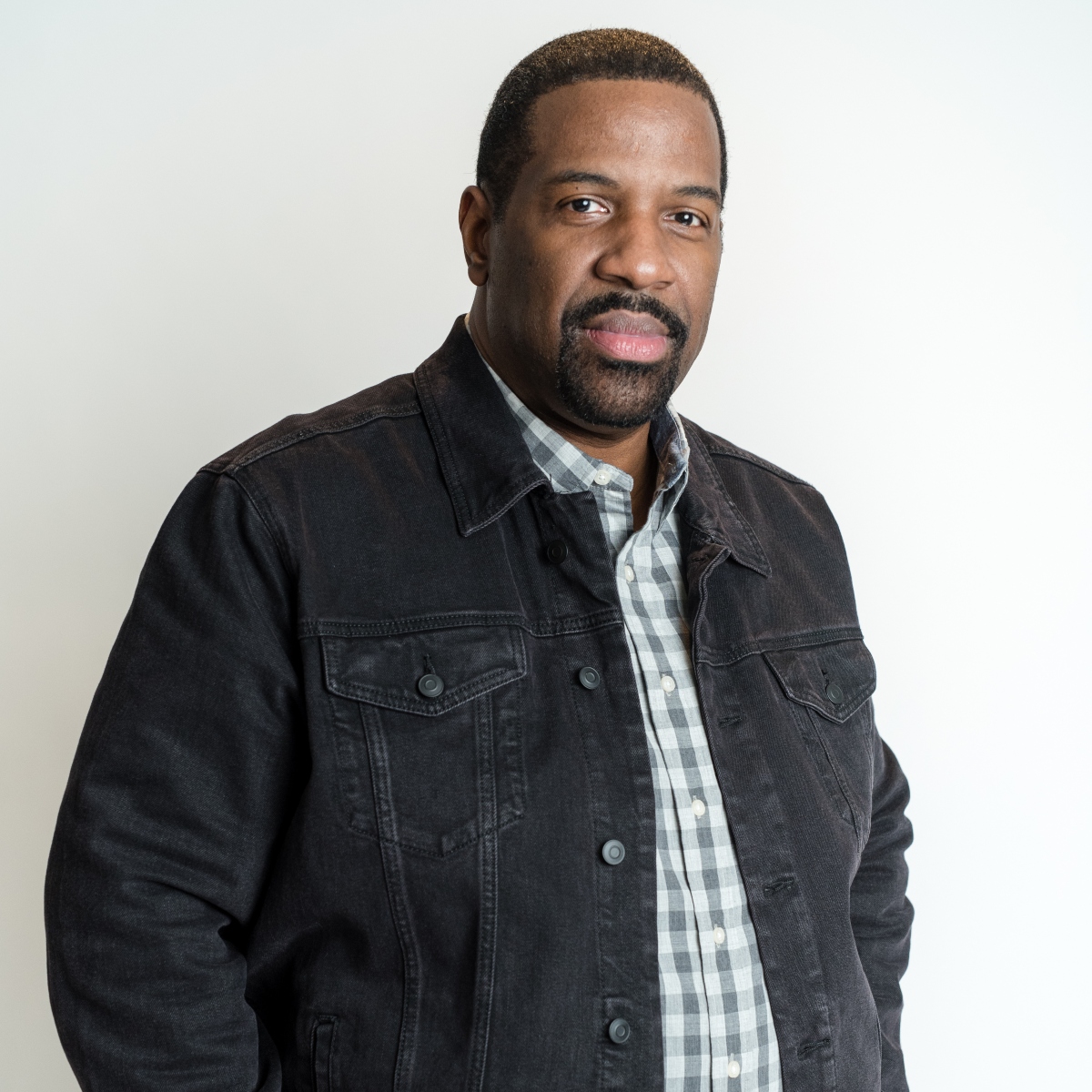
He is the author of The Pursuit of Purpose, which helps readers understand how God leads them into his will, and the author of The Pursuit of Victory: How To Conquer Your Greatest Challenges and Win In Your Christian Life. Clarence is also committed to helping 10,000 people learn how to study the Bible and has released his first course, Bible Study Basics, to achieve that goal. To learn more about his ministry and resources, please visit clarencehaynes.com.