How Can David Call Himself Righteous in Psalm 7?
Share
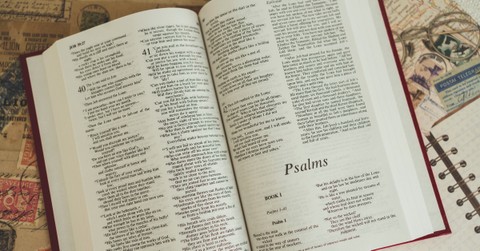
One word that stands out in Psalm 7 is “righteous.” Certain other nouns and adjectives (honor, upright, integrity) echo the idea David is trying to get across: that he has done no wrong, yet his enemy pursues him. He seeks justice and protection from God because he knows God is righteous and concerned about justice.
Can David – or any believer – claim to be righteous also? Commentators suggest that David uses the descriptor correctly in this instance, and they explain how we can call both God and ourselves “righteous.”
Understanding This Verse in the Original Hebrew
The relevant Hebrew words used in Psalm 7 include:
- tsedeq (righteous, just, what is right, accurate)
- tsaddiq (righteous man, just, righteous ones, right, Righteous One)
- yashar (convenient, equity, just, well-pleased, righteous, straight, most uprightly)
- tom (integrity, random, blameless, full, full measure, innocently, upright)
David uses tsedeq and tom to refer to himself and tsaddiq for the Lord, implying that he acknowledges a difference between just behavior and the “Just One.”
David compares himself to his enemies who are evel or avel or avlah or olah (iniquity, injustice, unrighteousness) and aven (wicked, evil, trouble, affliction, or distress).
Commentators believe that David wrote this Psalm after sparing Saul’s life (1 Samuel 24, 1 Samuel 26). He had chosen not to destroy the king because God had chosen Saul. He said to Abishai, “do not destroy him, for who can put out his hand against the LORD’s anointed and be guiltless?” (1 Samuel 26:9). Yet Saul had ruthlessly pursued David and unjustly accused him.
“Vindicate me, O LORD, according to my righteousness and integrity. Put an end to the evil of the wicked, but establish the righteous” (Psalm 7:8-9).
Is David Arrogant?
Readers might say that David’s personal assessment betrays a startling lack of self-awareness and is an example of his sinful pride. After all, he would one day seduce another man’s wife, impregnate her, then have her husband killed. At the time, he should have been fighting with his men but had stayed back.
David would later fail in his duty to his daughter Tamar after her brother, his son, raped her: he did not bring Amnon to justice. He would pridefully call for a census to establish the might of his army, angering the Lord and bringing a plague upon his people. David was not a sinless man but a very human and flawed one.
As one writer puts it, David’s “claim will strike many of us as odd at best and as delusional or even heretical at worst.” Only God can pronounce someone righteous; as David says in v.8 “The Lord judges the peoples.” David declares “if injustice is on my hands ... then may my enemy pursue me and overtake me; may he trample me to the ground and leave my honor in the dust” (Psalm 7:3, 5). Does he think God cannot see his heart?
As with all people, David was a sinner. Were he to make this declaration of righteousness as a suggestion of total sinlessness in general, having done nothing else, his pride in saying so would have been sinful enough: God would have had cause to “trample him to the ground.” But David was declaring what scholars call his “practical righteousness” which “refers to our practice, to our obedience. It is the fruit of the Spirit’s work in us as we rely on His power and keep — albeit imperfectly — God’s commandments. This righteousness is the good-faith effort to obey the Lord.” David is speaking in black and white terms about good versus evil and identifying himself as the unjustly afflicted party in this case, not as one who is sinless.
David has obeyed the Lord in his dealings with Saul. Although Saul sought his life, David left vengeance and protection in the hands of Yahweh. He is being very specific here. In Psalm 51, following his sin with Bathsheba, David groaned “Be gracious to me God ... blot out my rebellion. Completely wash away my guilt” (Psalm 51:1-2). David repents: “against you ... alone I have sinned ... So you are right when you pass sentence” (Psalm 51:4). When David did sin, his Psalms reflected deep repentance and humility.
God’s Righteousness in Psalm 7
Compare practical righteousness with positional righteousness: the “perfect obedience God requires for our justification and eternal salvation” obtained exclusively from the only perfectly obedient person, Christ. “His perfect obedience is imputed to us, put on our account, when we place our faith in Him alone. This righteousness makes us positionally righteous — legally righteous in the sight of God” if we believe in Christ alone for salvation.
David describes God as a “righteous judge and a God who feels indignation each day. If one does not repent, God will sharpen His sword; He has bent and strung His bow. He has prepared His deadly weapons; He ordains His arrows with fire” (Psalm 7:11-13). He knows God is to be honored above all, that God alone is just to feel wronged at all times and to punish wickedness. His righteousness is inherent, a part of what makes him God.
David did not kill Saul because he understood that he is not the righteous judge, invited to mete out a death sentence. The self-control required of David must have been tremendous and the temptation terrible. After all, the world tells us to get angry, be personally offended, stand up for ourselves, and make the other person pay.
A Righteous Motivator
This is why, as one Bible scholar explains, David “races to God for safety, confident that only the LORD can rescue him from enemies who would ‘tear my soul like a lion.’ He begins with trust, not panic.” David trusts God to protect him from his own longing for blood and vengeance. God will destroy his sinful yearning.
He trusts God to search his heart for sin and not destroy him, seeking refuge with God. David is confident that, since God cannot abide sin, God will take care of his sin issue if he goes straight to his Lord for refuge, in humility. David’s emotions and his fears are human and normal, but God encourages his people to see that he is bigger than their enemies.
David demonstrates the faith of a man who loves the Lord, albeit imperfectly, but genuinely. He also trusts the Lord to act justly in the matter of his enemy: God will deal with Saul when the time is right. All of David’s prayers are founded upon his trust in a God who deserves to be honored, for he is righteous, accurate in judgment, and just.
God motivated David’s righteous behavior: “God is a righteous judge,” he writes in verse 11. David wanted to please his Lord whom he loves. “I will sing about the name of the Lord Most High” (Psalm 7:17). He also knew that God is trustworthy: he would be consistent and gracious, kind to David even if discipline was needed.
The Lord cares about his own glory, so David could trust him to seek it by ensuring wickedness was punished. Behaving in an upright manner is easier for one who keeps the Lord in his sights, delights in him, and views him with due reverence. His pride was stripped away. He gave up an earthly entitlement for a promised eternal inheritance.
We can do the same when we meet our own enemies. Believers can respond truthfully but behave with restraint, with peace, and do as Christ did, forgiving them and trusting God to act justly against those who persecute his people and reject his Son.
Applying This Verse to Our Lives Today
When we believe in Christ alone for salvation and ask God to enter us by his Spirit, we receive Christ’s imputed righteousness. We are not inherently righteous, but God sees the blood of Christ covering us and declares us righteous. We submit to his sanctifying work because he is righteous and trustworthy and because we love him; therefore, we are motivated and equipped to make upright choices.
Instead of angrily standing up for our rights and our status as though we are entitled to either, we remember that our enemies sin primarily against God when they demean his image bearers. He cares about our suffering and will rescue us from it, but while we endure rejection or even violence, we are empowered by the love of our Savior to long for our enemies to submit to God and be stripped of their pride so they too can enjoy that same status as sons and daughters of the King.
We feel safe to confess sin, knowing God will destroy it but not destroy us. This is shocking and offensive to the world which will not acknowledge sin, but brings peace to the believer who loves God.
Photo credit: Unsplash/Milk Tea