7 Questions You Need to Answer before Beginning a Career in Ministry
Share

As a young man, I fell radically in love with Jesus. I poured my life into studying Scripture, learning to hear the Shepherd’s voice, and I committed to the local church. I started leading Bible studies and speaking at events.
People saw this about me and said, “Hey. You should be a pastor.” I even had an older gentleman who wanted to sponsor me to attend a seminary.
It bothered me. Yes, I know they all meant well, even trying to affirm me in the faith and my gifts. In part, I believed loving Jesus with all my heart, studying the Bible, and serving in the local church is normal Christianity. I resisted the idea that because I radically followed Jesus, I should have some sort of paid position or start a career in ministry.
Everyone is called to minister the love of Jesus with their gifts. And that’s what I was doing.
Ironically, God did call me to lead a ministry and even pastor a church plant. So maybe people saw things I didn’t yet. At the same time, I’m glad I waited until God’s voice led me to it, instead of assuming my passion meant I should follow that as a career.
Perhaps you’re in the same place, feeling like maybe you’re called to a ministry career. I’ve been a missionary and a church planter, and I’d like to share with you seven questions to answer before you step into that role.
Photo credit: Unsplash/Stephen Radford
1. Do I Already Serve Others and Disciple People?

Scripture makes it clear. Ministry isn’t a title; it’s a way of life.
Jesus gave the Great Commission to all believers, not only to a few pastors or paid staff. “Go and make disciples of all nations” (Matthew 28:19) applies to every Christian, regardless of what day job we have. We all have the same Holy Spirit and call to love God and serve others. Anyone looking to get into professional ministry should already be walking in this.
A spiritual leader must lead by example for their main job, to disciple the Body to do the ministry (Ephesians 4:11-12). Your life should already be exhibiting that reality before stepping into a career.
A healthy leader has already been discipling others: teaching the Bible, encouraging, praying with people, investing in relationships without seeking anything in return. Paul told people to imitate him as he imitated Christ, living as an example of how to live for God (1 Corinthians 11:1). And he reminded Timothy, “The things you have heard me say … entrust to reliable people who will also be qualified to teach others” (2 Timothy 2:2). We all have a part in that.
If you feel called to ministry but don’t already serve and disciple others, you need to pray and seek God for his leading. True calling shows up before a label. In the end, we should be satisfied simply serving without the platform. It gets dangerous otherwise.
Photo credit: SparrowStock
2. Has God Clearly Called Me to Professional Ministry?

Stepping into spiritual leadership isn’t like a worldly job. You don’t decide it’s a good path and make your own way through education and comparing pros and cons of different organizations to apply to. That’s fine for a doctor. Scripturally, that’s not the standard for ministry.
Even Jesus, the perfect Son of God, waited until his Father called him and said it was time to start gathering disciples and preaching. As Jesus followers, we must see this example. Official leadership requires a calling from God.
The New Testament (and to a large degree, the Old) continually reveals how people were called into spiritual leadership. In the Antioch church, while the church prayed and fasted, the Holy Spirit spoke clearly. “Set apart for me Barnabas and Saul for the work to which I have called them” (Acts 13:2). God clearly revealed it to the individuals, and the church affirmed it through prayer, fasting, and the laying on of hands. This pattern matters. God’s call comes first, and the community recognizes it.
Further, Paul often referred back to his divine call, describing himself as “called to be an apostle” and “set apart for the Gospel” (Romans 1:1), revealing his confidence in God’s will, not himself. However, Paul didn’t act apart from accountability and correction within the church.
Ministry is difficult. Pastors endure many attacks. Without this clear calling and confidence, many quit. Make sure you hear his voice and call before moving forward.
Photo credit: ©Getty Images/Duncan_Andison
3. Am I Pursuing Ministry out of Love for God or Because I Want to Be Recognized?

Motives matter. Scripture tells us to examine ourselves, our faith, and its purity and sincerity (2 Corinthians 13:5). Ministry that flows from the wrong desires might look successful but lack integrity, setting many up for a fall.
Jesus directly addressed motive when restoring Peter, asking three times, “Do you love me?” After each time, Christ gave Peter pastoral instruction (John 21:15-17). Jesus didn’t ask about Peter’s skills or ambitions. He grounded caring for the Body in love for Christ. Without that love, ministry becomes self-serving rather than self-sacrificing for the good of others.
Paul modeled this, as well. He told the Thessalonian church, “We are not trying to please people but God … You know we never used flattery, nor did we put on a mask to cover our greed” (1 Thessalonians 2:4-5). In the Roman world of Paul’s day, many “teachers” traveled around and took money for their mentorship. Paul rejected ministry to get money or security. And he definitely didn’t experience comfort and luxury.
Peter further encouraged spiritual leaders to serve willingly, “not pursuing dishonest gain, but eager to serve; not lording it over those entrusted to you” (1 Peter 5:2-3). True ministry works to love others from a love for God. Fame and ambition don’t enter into it.
A genuine call to ministry grows out of love, the heart of God. With God as the only audience, we can face good and bad situations focused on following God’s will, not a worldly idea of success.
Photo credit: ©Getty Images/Dmitry Kovalchuk
4. Am I a Mature Believer?
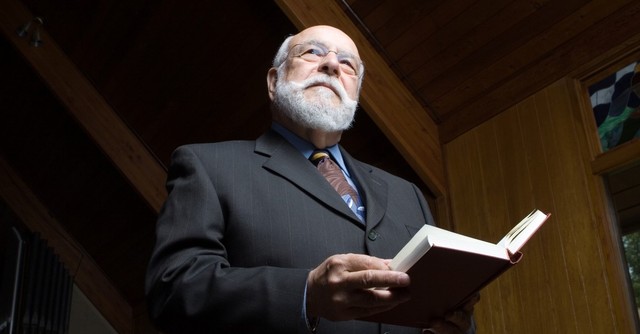
My mentor used to say, “Jesus prepared 30 years for a three-year ministry; we train people three years for a 30 year ministry.”
The Bible continually teaches that spiritual leadership requires depth and proven faith. God cares more about who a leader is than how talented or gifted they appear. In describing leaders, Paul wrote one “must not be a recent convert, or he may become conceited and fall under the same judgment as the devil” (1 Timothy 3:6). This is a serious statement. Spiritual immaturity combined with authority creates pride and harm to the church. Growth in Christ takes time and testing.
This doesn’t mean you must be old. Most of the apostles were young men, but they had spent three years under Jesus. It took Paul 14 years of living his faith and using his gifts in the local church before God called him to missions. And even then, Barnabas was still considered the leader.
Paul encouraged Timothy not to let others look down on him for his youth. He should set an example to all in his walk (1 Timothy 4:12). Paul used Timothy in apostolic work, visiting churches, encouraging them and bringing messages. At the same time, Timothy had spent years closely following Paul around on harrowing journeys, to the point Paul called the younger man a son.
Asking this question honestly protects both the individual and the church, making sure ministry leadership reflects Christ-like character.
Photo credit: ©Getty Images/qingwa
5. Am I Prepared to Suffer, Serve, and Persevere?

The devil attacks spiritual leaders. Further, God allows his servants time to go through wilderness and hard seasons, like Jesus fasting 40 days while tempted by Satan.
Paul described true apostleship this way: “It seems to me that God has put us apostles on display at the end of the procession, like those condemned to die … We have become the scum of the earth, the garbage of the world” (1 Corinthians 4:9, 13). Paul clearly dismissed any illusion that great ministry guarantees a life of ease. Instead, he embraced hardships as part of doing gospel work.
The New Testament describes Paul’s hardships: beatings, imprisonment, hunger, rejection, and more. But he continued because God’s grace was more than sufficient (2 Corinthians 11:23-28). He even went so far as to say, “Everyone who wants to live a godly life in Christ Jesus will be persecuted” (2 Timothy 3:12). Ministry requires perseverance.
Many get into career ministry thinking it will be full of fun and comfort. Then they encounter betrayals, spiritual attacks, and more. This is yet another reason a leader needs to be tested and develop mature character before taking on the role. Persecutions are common to all believers, but leadership suffers them more.
As we follow the Christ who suffered, we also follow the one who overcame and can teach us the same. Let us check our hearts to make sure we are prepared for ministry hardships.
Photo credit: ©Getty Images/CandyRetriever
6. Do I Understand the Biblical Standard of Spiritual Leadership?

God holds spiritual leaders to a higher standard. James 3:1 says not many should be teachers, since teachers face a greater judgment. As a leader, we are models to follow, and we handle the most valuable commodity in existence: God’s truth.
Scripturally, God doesn’t leave expectations for elders and pastors vague. He sets clear standards, all rooted in character.
Paul outlines these standards in 1 Timothy 3 and Titus 1. Leaders must live lives above reproach, demonstrate faithfulness in marriage, show self-control, be hospitable, and teach sound doctrine. For deacons, Paul explains they should be worthy of respect, not indulging in excess, and hold to the truths of the faith, in word and deed. Throughout all the roles listed in the Bible, God holds their character as the most important qualification. This is serious, eternal business.
One primary qualification remains how a person leads his or her family. Paul writes an overseer “must manage his own family well and see that his children obey him, and he must do so in a manner worthy of respect” (1 Timothy 3:4-5). Paul expounds on the argument. If a person doesn’t know how to manage their earthly family, how can we entrust them with the heavenly one? Leadership in the household demonstrates the character, patience, love, compassion, and integrity we need to shepherd the family of God.
Understanding these standards helps us see the sacred, eternal trust within the role, rather than a career move. We must measure our life against Scripture, not ambition or other motivations.
Photo credit: ©Getty Images/Wenping-Zheng
7. Do I Have Systems in Place to Be Held Accountable and Corrected?

While this last one is more practical, it contains important spiritual value. Each Christian needs a community around them to be held accountable to and corrected by. Just like other parts of this list, spiritual leaders require it even more.
Spiritual leadership without accountability leads to pride and abuse. God never designed believers to operate in isolation. Sometimes spiritual leaders feel very alone and can operate independently. This always leads to problems.
Proverbs says, “Plans fail for lack of counsel, but with many advisers they succeed” (Proverbs 20:18). Again, here’s another reason leaders need mature character. They better recognize their own needs and faults and place themselves in systems of accountability and community. Correction doesn’t weaken ministry; it strengthens it by helping us stay on course.
Over time, this community doesn’t correct us all the time. Most days, a group of trusted brothers or sisters encourage us, believe in us, and spur us on to greater things. They correct upward, to Christ, because they love us.
Paul exemplified this in his ministry. Though clearly called by God, he submitted to the leaders in Jerusalem to make sure he didn’t run “in vain” (Galatians 2). He welcomed correction and community rather than isolation and independence. Even the apostles embraced accountability.
A leader who resists correction, or remains isolated for a number of reasons, harms themselves and those they serve. Humility and vulnerability with other men and women helps us grow and lead healthy lives of faith, additionally being models for the church.
Photo credit: ©Getty Images/MoMo Productions