What Does the Bible Say About Halloween?
Looking for Bible verses about Halloween to guide how you approach the holiday, whether you're heading out trick-or-treating, hosting a trunk-or-treat, or just want Scripture on darkness, evil, and spiritual discernment? You'll find a full list below.
The Bible doesn't mention Halloween by name. The holiday developed centuries after Scripture was written, but many of the themes tied to it, like death, darkness, and spiritual forces, are addressed throughout the Bible. Some Christians use the holiday as a moment to reflect on these themes; others choose not to participate at all, largely because of Halloween's historical and cultural origins.
If you're celebrating Halloween with kids this year, consider trading some of the darker imagery for God's light instead. Download these free, faith-filled coloring pages with Bible verses to help your kids celebrate the season while keeping the focus on Him.
Pagan Origins of Halloween and Conflict with Christianity
Halloween has roots in Samhain, a pagan Celtic festival held around November 1, marking the end of the harvest and the beginning of winter. During Samhain, it was believed that the veil between the living and the dead was thinnest, and people made offerings or engaged in rituals to appease wandering spirits. As Christianity spread, All Saints’ Day (celebrated on November 1) was introduced to honor Christian martyrs and saints, giving rise to "All Hallows' Eve," which later evolved into Halloween.
For many Christians, the superstitions and rituals from Samhain are incompatible with biblical teachings. The Bible warns against practices tied to sorcery, witchcraft, and occult activities. For example, Deuteronomy 18:10-12 explicitly instructs believers not to engage in divination, spiritism, or consulting the dead, as these were practices of the nations surrounding Israel.
Click to read more about Is Halloween Evil?Should Christians Participate in Halloween?
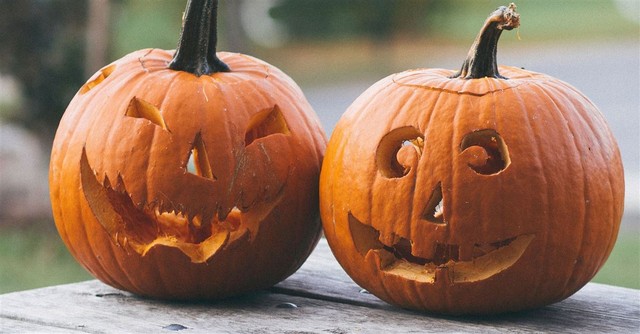
So what are Christians to do? Yes, the Bible encourages Christians to avoid engaging in practices that align with pagan traditions or suggest the worship of false gods. Ephesians 5:11 says, "Have nothing to do with the fruitless deeds of darkness, but rather expose them." This teaching influences many Christians who feel that Halloween’s connection to darkness, spirits, and magic contradicts their faith. However, others point out that while Halloween’s origins were pagan, the way it is celebrated today can be reframed. Activities like costume parties, pumpkin carving, or trick-or-treating may not carry any spiritual significance and can be seen as harmless fun, especially if the intent is to celebrate community or engage with neighbors.
Personal Convictions and Christian Freedom
Different Christians have different convictions regarding Halloween. Romans 14:5-6 reminds believers that not all matters are black-and-white: "One person esteems one day as better than another, while another esteems all days alike. Each one should be fully convinced in his own mind." Some choose to opt-out of Halloween activities entirely to avoid any association with its pagan origins. Others participate in ways that align with their values, such as attending church-hosted "trunk-or-treat" events or using the opportunity to share their faith with their neighbors.
Ultimately, Christian liberty allows for differing approaches, as long as believers honor God in their decisions. Whether by avoiding or reimagining Halloween celebrations, the focus remains on living in a way that reflects God’s truth and love.
Click to read more about Should Christians Celebrate Halloween?Whether you are looking for Scripture about how Christians should handle darkness and evil, an encouraging verse before you go out trick-or-treating, or an inspiring passage to celebrate the harvest season with church families, this list of Bible verses below has got you covered!