8 Enduring Lessons St. Patrick Has for Modern Missions
Share
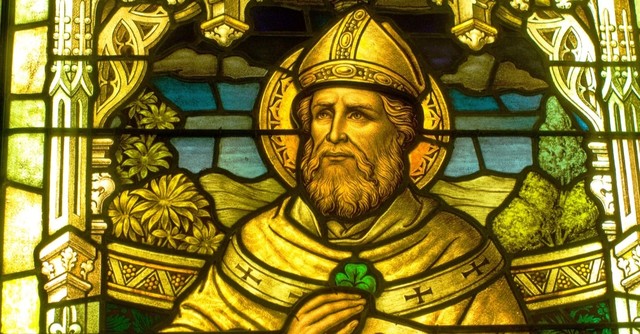
Come early March, department stores stock up on Irish themed merchandise. Everything from T-shirts to mugs and hats cover shelves for a couple weeks. Bars advertise green beer at a discount. Large parties and parades with people dressed in green happen in communities around America, usually celebrating Irish culture. All in St. Patrick’s name.
As a man of Irish heritage, I have no problem celebrating that great culture, but these things don’t begin to touch the heart of St. Patrick. In many ways, it distracts us from learning the revolutionary truths St. Patrick’s life must teach us.
St. Patrick brought the gospel to a little island near Britain called Ireland. And the amazing reality is, he effectively converted a whole nation from paganism to Christianity. Not only that, within a few generations, the Irish people became some of the greatest missionaries for Jesus in history.
How did he do this? Instead of putting a leprechaun on everything, let’s find the real value in St. Patrick as a missionary. And see what he has to teach us today.
Photo credit: Flickr-ThadZajdowicz

1. God Called Patrick to a People
Patrick didn’t randomly choose Ireland from a list of possible missions destinations. The Catholic leadership didn’t assign the island to him. In fact, they discouraged him from going. Yet Patrick received a specific call from God to return to a people who once oppressed him and bring them the freedom of Jesus.
As a teenager, Irish raiders kidnapped him and sold him into slavery in Ireland. In that hardship, God awakened his faith and led him to freedom. Patrick went into the priesthood, and God visited him in a dream to go back to Ireland. Patrick obeyed, learning to love the people who had once enslaved him.
Modern missions often emphasize strategy, demographics, planning, and opportunity. Patrick reminds us that God calls us to people and places, as he did with Saul and Barnabas in Acts. God might burden us for a culture or people tied to our personal wounds or a painful history, redeeming those things through his love. Patrick teaches us how God’s love doesn’t come from comfort but mercy and forgiveness. He chose to see enslavers as image-bearers who needed salvation.
For us today, Patrick challenges us to ask the question: Whom has God clearly placed on our hearts? Not just who feels easy or comfortable to reach, but who the Father has led us to serve. God still sends his missionaries to specific nations and places, sometimes ones that represent pain or injustice. God can redeem even his servants as they preach the gospel.
Photo credit: Unsplash/aboodi vesakaran

2. Patrick Learned Irish Language and Culture
Patrick didn’t arrive in Ireland ignorant of the language or culture. He had lived among them as a slave. He learned their speech, culture, and worldview. God used the injustice done to him to give Patrick a cultural knowledge no classroom could provide. In addition, his experience allowed Patrick to see the flaws and faults along with the strengths of Irish culture.
When Patrick later returned to preach Christ, he didn’t speak from ignorance or a distant authority. He spoke as someone who knew how to relate the message of Christ to how they lived and thought. He knew their stories, their art, what they honored and found important.
And even more powerfully, Patrick spoke from love to the very people who had once enslaved him. He didn’t excuse the injustice at all. He chose, instead, to let the mercy and love of Christ transform how he responded to it. Patrick didn’t let bitterness and offense define his mission. Compassion did.
Patrick reminds us that we need to understand and genuinely love the people God’s has sent us to engage. This requires humility, learning languages and cultures, which can make us feel like a kid at first. We do it not to manipulate but to love and dignify. Real gospel love requires this humility, listening, and presence.
Further, Patrick reveals how Christ-centered mission demands transformed hearts – our own, before we can hope to see the transformation in the communities we seek to reach. The change comes in us first.
Photo credit: ©Getty Images/aeduard

3. Patrick Spread the Gospel through Relationship, not Program
While Patrick was trained as a Catholic priest, he didn’t rely upon the normal Catholic strategies. Normally, the Roman system wouldn’t send a priest into an area unless it was politically conquered first in some way. Even then, they would teach Latin and convert a new people to the Roman culture along with Christianity.
Patrick did things completely different. He understood something missions easily forgets: people don’t really receive the gospel through force or a distant, foreign delivery. Neither Jesus nor Paul did this. People receive the gospel through trusted voices, watching how the missionary lives, and seeing how forgiveness and love works in real life.
Patrick’s strategy depended upon building relationships over time. He invested in people, building trust. He stayed long enough for faith to become part of the Irish identity instead of something separate from them. He allowed new believers to grow within their own culture instead of forcing a foreign model upon them. Within this, he even raised up leaders.
Modern missions often depend upon strategies and systems, even short-term outcomes. Patrick reveals how lasting transformation usually grows slowly through presence and trusted relationship. Just as Jesus, Immanuel, came to be with us, speaking our language and living among us to show his love, Patrick did the same. So must we.
Photo credit: ©Getty Images/LeoPatrizi
4. Patrick Ministered While Completely Dependent upon God
God called Patrick out to a place without any Roman political or religious support. Patrick didn’t have any local or foreign authority or military protection when he returned to Ireland. He only carried his trust in God’s presence.
Patrick walked into hostile pagan territory with unpredictable local leaders and violent communities. He relied fully and completely upon God to guide his steps, protect him, and open hearts to the gospel. This provided all the glory to God.
Patrick learned this dependence as a slave long before he became a priest. God trained him in isolation and hardship, teaching him to listen and trust. Patrick took these lessons back into Ireland, remaining completely dependent upon God. In this, he expected God to act and change lives. God fulfilled those expectations.
Even Jesus said he only did what he saw the Father do; he only said what the Father said. Patrick reminds us how spiritual fruit doesn’t come from organization or worldly power but complete dependence upon God’s Spirit, timing, and power to reach people. We are participating in his work, not ours.
This doesn’t mean we dismiss any planning or organization. We must make sure we remain committed to simple and absolute trust upon God, leaning completely upon him in every moment. The Father must lead and guide, not worldly principles of success. We plan wisely but we trust God alone. It is impossible for us. But with God, all things are possible.
Photo credit: ©Getty Images/Jair Ferreira Belafacce

5. Patrick Dignified the Irish Culture in Mission
Patrick didn’t arrive in Ireland to replace an Irish identity with a Roman one. Where possible, he dignified and redeemed what already existed. He recognized God had already planted creativity, symbolism, storytelling, and a certain level of spiritual awareness within the Irish people before he arrived.
In this way, Patrick engaged their art and tradition, dignifying their love for symbolic meaning to communicate Christian truth. He allowed familiar patterns to become ways to explain a higher truth. The Irish already expressed beauty, community, and spirituality in their own way. He didn’t attack or dismiss them. On the contrary, he redeemed and reshaped their expression to reflect the absolute and true gospel. In the end, he made the message of Christ feel local and real instead of foreign.
God loves all nations and peoples. He’s already been working among a people long before he called us to engage with them. Too often, missions don’t take the time to find the ways God’s been active within the culture, ways to dignify and redeem the culture. No culture is all bad or all good, and insightful missionaries look for ways God is already speaking and join him there. This means honoring a people’s creativity, music, storytelling, and even symbols, often adjusting and adapting them to effectively help the people own the eternal faith for themselves.
When we learn to see culture through this redemptive lens, we don’t make the mistake of converting them to our culture but to Christ alone.
Photo credit: ©Getty Images/Piero Facci

6. Patrick Focused on Disciples, not Converts
Jesus didn’t tell us to make converts to a religion, but to make disciples – individuals and communities who follow him as Lord.
When Patrick returned to Ireland, he gave his life to patient, long-term ministry. He taught people how to pray, act differently, forgive, and transform their communities with Christ-focused love. He remained with them long enough to foster real inward and outward change. He wasn’t about quick results or large crowds. Patrick wanted sincere followers of Jesus.
Patrick understood God’s idea of success: a disciple. The gospel changes a person’s whole life, it doesn’t just give them a different label. He invested into leaders, families, and communities so faith would grow strong. He focused on forming mature believers who could teach others (disciples making disciples), serve their neighbors, give charitably, and lead their own people with love and wisdom.
Modern missions often emphasize numbers, money raised, and more visible outcomes. Much of American ministry success is measured by attendance and finances. The New Testament provides a different idea of success: making disciples. A single person can make a thousand converts, but that same person can only disciple a few over time. Jesus poured himself into twelve. True discipleship requires presence and investment over time, walking with people through seasons of life.
Seems too slow for some. Yet this was how Patrick converted a whole nation. He calls us to shift our expectation. Faithful mission values depth over speed, and the long-term impact is greater for the Kingdom.
Photo credit: ©Getty Images/MoMo Productions

7. Patrick Engaged with Power Structures
While Patrick did engage the poor and common people, he didn’t avoid power. He understood how leaders have power and can shape the direction of a community. So he intentionally approached kings and chiefs for gospel discussions.
He didn’t do it to seek political influence or authority but for the common people. Patrick spoke to community leaders to transform the way these structures treated others. He encouraged leaders when they acted with wisdom and justice. He would confront them when their actions harmed people.
Interestingly, Patrick would use his voice to speak against injustice. Having suffered slavery, Patrick didn’t stay silent when the powerful abused the poor and vulnerable. He understood how the gospel impacted both communities and individuals. Faith in Christ should shape how leaders treat others, protecting the weak instead of oppressing them.
In our modern world of widening political division between “left” and “right,” we could learn this Kingdom-minded approach. Modern missions either refuse to engage with political power or they find themselves aligning with them. Patrick did neither. He reminds us how we can befriend and support a government when they act wisely and righteously; at the same time, we must be independent enough to confront injustice no matter the party or who’s in power.
Patrick approached leaders without flattery or hostility, seeking God’s love and justice in every conversation. The gospel reaches beyond private belief and begins to address public life for the good of entire communities.
Photo credit: ©Getty Images/artisteer

8. Patrick Left a Legacy of Missions
Finally, true discipleship self-replicates. Like Patrick made Jesus-followers more than converts, Irish believers repeated his example and did the same. This resulted in a vibrant Christianity even after Patrick left.
Patrick focused on establishing local churches, training local leaders, and transforming communities. He trusted local Christians to shepherd their own people, teach Scripture, and grow others. Patrick understood how the gospel becomes most effective when it grows through indigenous leadership, not an outsider.
Again, this method differed from the Catholic norm. Not only would the priest share in Latin, but any possible leaders were also sent away to another place to become a priest. Patrick established a process right in Ireland. He formed leaders who could multiply disciples, plant churches, and carry the mission forward. Therefore, his influence continued for generations.
When the Roman Empire fell and the Catholic church lost the political and military support, most European communities reverted to paganism, since they never really took ownership. Ironically, centuries after Patrick, the Celtic churches started sending missionaries across Europe and re-evangelized the continent. They carried with them the same relational, community-oriented, and disciple-making approach they learned from Patrick. They learned local languages and cultural dignity.
Like discipleship, modern missions should use this as a measure of success. Patrick challenges us to consider what remains after the missionary leaves. The goal should be strong churches, trained indigenous leaders, and churches who send out their own missionaries. True mission isn’t only about reaching people today but for generations to come.
Photo credit: ©Getty Images/Zbynek Pospisil