
Change Translation
- Recent Translations
- All Translations
1
Yēhéhuá shuō , nàxiē cánhaì , gǎnsàn wǒ cǎo cháng zhī yáng de mùrén yǒu huò le .
2
Yēhéhuá Yǐsèliè de shén chìzé nàxiē mù yǎng tā bǎixìng de mùrén , rúcǐ shuō , nǐmen gǎnsàn wǒde yáng qún , bìng méiyǒu kàn gù tāmen . wǒ bì tǎo nǐmen zhè xíng è de zuì . zhè shì Yēhéhuá shuō de .
3
Wǒ yào jiāng wǒ yáng qún zhōng suǒ yú shèng de , cóng wǒ gǎn tāmen dào de gè guóneì zhāo jù chūlai , lǐng tāmen guī huí bĕn juān . tāmen yĕ bì shēng yǎng zhòngduō .
4
Wǒ bì shèlì zhào guǎn tāmende mùrén , mù yǎng tāmen . tāmen bú zaì jùpà , bú zaì jīng huáng , yĕ bú quē shǎo yī gè . zhè shì Yēhéhuá shuō de .
5
Yēhéhuá shuō , rìzi jiāng dào , wǒ yào gĕi Dàwèi xīngqǐ yī gè gōngyì de miaó yì . tā bì zhǎng wáng quán , xíngshì yǒu zhìhuì , zaì dì shang shīxíng gōngping hé gōngyì .
6
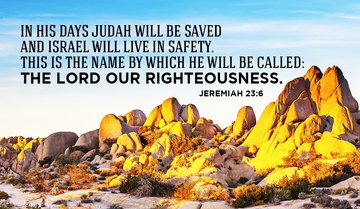
Zaì tāde rìzi , Yóudà bì déjiù , Yǐsèliè yĕ ānrán jūzhù . tāde míng bì chēngwèi Yēhéhuá wǒmen de yì .
7
Yēhéhuá shuō , rìzi jiāng dào , rén bì bú zaì zhǐ zhe nà lǐng Yǐsèliè rén cóng Āijí dì shang lái yǒngshēng de Yēhéhuá qǐshì ,
8
Què yào zhǐ zhe nà lǐng Yǐsèliè jiā de hòuyì cóng bĕi fāng hé gǎn tāmen dào de gè guó zhōng shang lái , yǒngshēng de Yēhéhuá qǐshì . tāmen bì zhù zaì bĕn dì .
9
Lún dào nàxiē xiānzhī , wǒ xīn zaì wǒ lǐmiàn yōushāng , wǒ gútou dōu fā zhàn . yīn Yēhéhuá hé tāde shèng yán , wǒ xiàng zuìjiǔ de rén , xiàng beì jiǔ suǒ shēng de rén .
10
Dì mǎn le xíng yín de rén . yīn wàng zì dǔ zhòu , dì jiù bēiāi . kuàngyĕ de cǎo cháng dōu kū gān le . tāmen suǒ xíng de dào nǎi shì è de . tāmende yǒng lì shǐ dé bú zhēng .
11
Lián xiānzhī daì jìsī dōu shì xièdú de , jiù shì zaì wǒ diàn zhōng wǒ yĕ kànjian tāmende è . zhè shì Yēhéhuá shuō de .
12
Yīncǐ , tāmende dàolù bì xiàng hēiàn zhōng de huá dì , tāmen bì beì zhuīgǎn , zaì zhè lù zhōng pú dǎo . yīnwei dāng zhuī tǎo zhī nián , wǒ bì shǐ zāihuò líndào tāmen . zhè shì Yēhéhuá shuō de .
13
Wǒ zaì sǎ Mǎlìyà de xiānzhī zhōng céng jiàn yú wàng . tāmen jiè bā lì shuō yùyán , shǐ wǒde bǎixìng Yǐsèliè zǒu cuò le lù .
14
Wǒ zaì Yēlùsǎlĕng de xiānzhī zhōng céng jiàn kĕ zēngwù de shì . tāmen xíng jiānyín , zuò shì xūwàng , yòu jiāngù è rén de shǒu , shènzhì wú rén huí tóu líkāi tāde è . tāmen zaì wǒ miànqián dōu xiàng Suǒduōmǎ . Yēlùsǎlĕng de jūmín dōu xiàng Gémólā .
15
Suǒyǐ wàn jūn zhī Yēhéhuá lún dào xiānzhī rúcǐ shuō , wǒ bìjiāng yīn gĕi tāmen chī , yòu jiāng kǔdǎn shuǐ gĕi tāmen hē . yīnwei xièdú de shì chūyú Yēlùsǎlĕng de xiānzhī , liú xíng biàn dì .
16
Wàn jūn zhī Yēhéhuá rúcǐ shuō , zhèxie xiānzhī xiàng nǐmen shuō yùyán , nǐmen búyào tīng tāmende huà . tāmen yǐ xū kōng jiàoxun nǐmen , suǒ shuō de yìxiàng shì chūyú zìjǐ de xīn , bú shì chūyú Yēhéhuá de kǒu .
17
Tāmen cháng duì miǎoshì wǒde rén shuō , Yēhéhuá shuō , nǐmen bì xiǎng píngān . yòu duì yīqiè àn zìjǐ wán gĕng zhī xīn ér xíng de rén shuō , bì méiyǒu zāihuò líndào nǐmen .
18
Yǒu shuí zhàn zaì Yēhéhuá de huì zhōng déyǐ tīngjian bìng huì wù tāde huà ne . yǒu shuí liú xīn tīng tāde huà ne .
19
Kàn nǎ . Yēhéhuá de fèn nù hǎoxiàng bàofēng , yǐjing fāchū . shì bàoliè de xuán fēng , bì zhuǎn dào è rén de tóu shang .
20
Yēhéhuá de nùqì bì bù zhuǎn xiāo , zhídào tā xīn zhōng suǒ nǐ déng de chéngjiù le . mòhòu de rìzi nǐmen yào quán rán míngbai .
21
Wǒ méiyǒu dǎfa nàxiē xiānzhī , tāmen jìng zì bēnpǎo . wǒ méiyǒu duì tāmen shuōhuà , tāmen jìng zì yùyán .
22
Tāmen ruò shì zhàn zaì wǒde huì zhōng , jiù bì shǐ wǒde bǎixìng tīng wǒde huà , yòu shǐ tāmen huí tóu líkāi è dào hé tāmen suǒ xíng de è .
23
Yēhéhuá shuō , wǒ qǐ wèi jìn chù de shén ne . bù yĕ wèi yuǎn chù de shén ma .
24
Yēhéhuá shuō , rén qǐnéng zaì yǐn mì chù cáng shēn , shǐ wǒ kàn bú jiān tā ne . Yēhéhuá shuō , wǒ qǐbù chōngmǎn tiāndì ma .
25
Wǒ yǐ tīngjian nàxiē xiānzhī suǒ shuō de , jiù shì tuō wǒ míng shuō de jiǎ yùyán , tāmen shuō , wǒ zuò le mèng . wǒ zuò le mèng .
26
Shuō jiǎ yùyán de xiānzhī , jiù shì yùyán bĕn xīn guǐzhà de xiānzhī , tāmen zhèyàng cún xīn yào dào jǐshí ne .
27
Tāmen gèrén jiāng suǒ zuò de mèng duì línshè shùshuō , xiǎng yào shǐ wǒde bǎixìng wàngjì wǒde míng , zhēng rú tāmen lièzǔ yīn bā lì wàngjì wǒde míng yíyàng .
28
Dé mèng de xiānzhī kĕyǐ shùshuō nà mèng . dé wǒ huà de rén kĕyǐ chéngshí jiǎng shuō wǒde huà . kāng bǐ zĕn néng yǔ maìzi bǐjiào ne . zhè shì Yēhéhuá shuō de .
29
Yēhéhuá shuō , wǒde huà qǐbù xiàng huǒ , yòu xiàng néng dá suì pánshí de dà chuí ma .
30
Yēhéhuá shuō , nàxiē xiānzhī gè cóng línshè tōuqiè wǒde yányǔ , yīncǐ wǒ bì yǔ tāmen fǎnduì .
31
Yēhéhuá shuō , nàxiē xiānzhī yòng shétou , shuō shì Yēhéhuá shuō de . wǒ bì yǔ tāmen fǎnduì .
32
Yēhéhuá shuō , nàxiē yǐ huàn mèng wèi yùyán , yòu shùshuō zhè mèng , yǐ huǎng yán hé jīnkuā shǐ wǒ bǎixìng zǒu cuò le lù de , wǒ bì yǔ tāmen fǎnduì . wǒ méiyǒu dǎfa tāmen , yĕ méiyǒu fēnfu tāmen . tāmen yǔ zhè bǎixìng haó wúyì chù . zhè shì Yēhéhuá shuō de .
33
Wúlùn shì bǎixìng , shì xiānzhī , shì jìsī , wèn nǐ shuō , Yēhéhuá yǒu shénme mò shì ne . nǐ jiù duì tāmen shuō , shénme mò shì a . Yēhéhuá shuō , wǒ yào piĕ qì nǐmen .
34
Wúlùn shì xiānzhī , shì jìsī , shì bǎixìng , shuō Yēhéhuá de mò shì , wǒ bì xíngfá nà rén hé tāde jiā .
35
Nǐmen gèrén yào duì línshè , gèrén yào duì dìxiōng rúcǐ shuō , Yēhéhuá huídá shénme . Yēhéhuá shuō le shénme ne .
36
Yēhéhuá de mò shì nǐmen bùkĕ zaì tí , gèrén suǒ shuō de huà bì zuò zìjǐ de zhòngdàn ( zhòngdàn hé mò shì yuánwén tóng ) , yīnwei nǐmen miù yòng yǒngshēng shén , wàn jūn zhī Yēhéhuá wǒmen shén de yányǔ .
37
Nǐmen yào duì xiānzhī rúcǐ shuō , Yēhéhuá huídá nǐ shénme . Yēhéhuá shuō le shénme ne .
38
Nǐmen ruò shuō Yēhéhuá de mò shì , Yēhéhuá jiù rúcǐ shuō , yīn nǐmen shuō Yēhéhuá de mò shì zhè jù huà , wǒ yĕ dǎfa rén dào nǐmen nàli qù , gàosu nǐmen bùkĕ shuō Yēhéhuá de mò shì .
39
Suǒyǐ wǒ bì quán rán wàngjì nǐmen , jiāng nǐmen hé wǒ suǒ cìgĕi nǐmen bìng nǐmen lièzǔ de chéng piĕ qì le .
40
Yòu bì shǐ yǒngyuǎn de língrǔ hé chángjiǔ de xiūchǐ líndào nǐmen , shì bùnéng wàngjì de .
Yēlìmǐshū 23 Commentary
Chapter 23
The restoration of the Jews to their own land. (1-8) The wickedness of the priests and prophets of Judah, The people exhorted not to listen to false promises. (9-22) The pretenders to inspiration threatened. (23-32) Also the scoffers at true prophecy. (33-40)
Verses 1-8 Woe be to those who are set to feed God's people, but take no concern to do them good! Here is a word of comfort to the neglected sheep. Though only a remnant of God's flock is left, he will find them out, and they shall be brought to their former habitations. Christ is spoken of as a branch from David's family. He is righteous himself, and through him all his people are made righteous. Christ shall break the usurped power of Satan. All the spiritual seed of believing Abraham and praying Jacob shall be protected, and shall be saved from the guilt and dominion of sin. In the days of Christ's government in the soul, the soul dwells at ease. He is here spoken of as "the Lord our Righteousness." He is so our Righteousness as no creature could be. His obedience unto death is the justifying righteousness of believers, and their title to heavenly happiness. And their sanctification, as the source of all their personal obedience is the effect of their union with him, and of the supply of this Spirit. By this name every true believer shall call him, and call upon him. We have nothing to plead but this, Christ has died, yea, rather is risen again; and we have taken him for our Lord. This righteousness which he has wrought out to the satisfaction of law and justice, becomes ours; being a free gift given to us, through the Spirit of God, who puts it upon us, clothes us with it, enables us to lay hold upon it, and claim an interest in it. "The Lord our Righteousness" is a sweet name to a convinced sinner; to one that has felt the guilt of sin in his conscience; seen his need of that righteousness, and the worth of it. This great salvation is far more glorious than all former deliverances of his church. May our souls be gathered to Him, and be found in him.
Verses 9-22 The false prophets of Samaria had deluded the Israelites into idolatries; yet the Lord considered the false prophets of Jerusalem as guilty of more horrible wickedness, by which the people were made bold in sin. These false teachers would be compelled to suffer the most bitter part of the Lord's indignation. They made themselves believe that there was no harm in sin, and practised accordingly; then they made others believe so. Those who are resolved to go on in evil ways, will justly be given up to believe strong delusions. But which of them had received any revelation of God, or understood any thing of his word? There was a time coming when they would reflect on their folly and unbelief with remorse. The teaching and example of the true prophets led men to repentance, faith, and righteousness. The false prophets led men to rest in forms and notions, and to be quiet in their sins. Let us take heed that we do not follow unrighteousness.
Verses 23-32 Men cannot be hidden from God's all-seeing eye. Will they never see what judgments they prepare for themselves? Let them consider what a vast difference there is between these prophecies and those delivered by the true prophets of the Lord. Let them not call their foolish dreams Divine oracles. The promises of peace these prophets make are no more to be compared to God's promises than chaff to wheat. The unhumbled heart of man is like a rock; if not melted by the word of God as a fire, it will be broken to pieces by it as a hammer. How can they be long safe, or at all easy, who have a God of almighty power against them? The word of God is no smooth, lulling, deceitful message. And by its faithfulness it may certainly be distinguished from false doctrines.
Verses 33-40 Those are miserable indeed who are forsaken and forgotten of God; and men's jesting at God's judgments will not baffle them. God had taken Israel to be a people near to him, but they shall now be cast out of his presence. It is a mark of great and daring impiety for men to jest with the words of God. Every idle and profane word will add to the sinner's burden in the day of judgment, when everlasting shame will be his portion.
Unlock Deeper Insights: Get Over 20 Commentaries with Plus! Subscribe Now
Yēlìmǐshū 23 Commentaries
Chapter Summary
INTRODUCTION TO JEREMIAH 23
This chapter contains threatenings to the Jewish governors, and to their priests and prophets, on account of their manifold sins; intermixed with gracious promises to the Lord's people, and particularly with a famous promise of the Messiah. The pastors or governors of Israel are charged with scattering and driving away the Lord's flock, for which they are threatened, Jer 23:1,2; and a promise is made of the gathering of the remnant of them, and of setting up other shepherds over them, under whom they should increase, and be comfortable, Jer 23:3,4; particularly the Messiah is promised; as David's righteous Branch; as a prosperous and righteous King; as the author of righteousness to his people, under whom they should have salvation and safety, Jer 23:5,6; so that in comparison of this salvation, the deliverance out of Egypt should not be spoken of, Jer 23:7,8; and then follows a sad complaint of the priests and prophets; of their profaneness, their adultery, swearing, lying, hypocrisy, and deception of the people; for all which they are severely threatened, Jer 23:9-15; wherefore the people are exhorted not to hearken to them, promising them peace and safety; whereas, by attending to the word of God, it might easily be seen that a storm of wrath was gone forth, and was ready to break, and would fall upon the head of the wicked, to the executing of the thoughts and purposes of God's heart, Jer 23:16-20; and the Lord declares he had not sent these prophets, as might be known from their not turning the people from their evil ways, Jer 23:21,22; whose conduct and behaviour could not be hid from the sight of the Lord, nor their prophecies from his ears, which were no other than dreams, and the deceits of their own hearts; and there was as great a difference between them and the word of the Lord, as between chaff and wheat; seeing his word in his hand is of great virtue and efficacy, whereas there was none in theirs, Jer 23:23-29; wherefore the Lord declares himself to be against these prophets, for stealing his word from their neighbour; for making use of his name, when they were not sent by him; and for causing the people to err by their lies, Jer 23:30-32; and both people, priest, and prophet, are severely threatened for jeering and scoffing at the word of the Lord, calling it the burden of the Lord; which phrase they are forbid to use in a sneering way; and should they persist in it, they are told that God would forsake and forget them, and cast them out, and everlastingly punish them, Jer 23:39,40.
Taken from John Gill's Exposition of the Bible
Unlock Deeper Insights: Get Over 20 Commentaries with Plus! Subscribe Now





Images for Yēlìmǐshū 23
Public Domain
Study Tools
PLUSUnlock Notes
This feature is for PLUS subscribers only. Join PLUS today to access these tools and more.
JOIN PLUSUnlock Highlights
This feature is for PLUS subscribers only. Join PLUS today to access these tools and more.
JOIN PLUSUnlock Bookmarks
This feature is for PLUS subscribers only. Join PLUS today to access these tools and more.
JOIN PLUSTrack Your Reading
Create a free account to start a reading plan, or join PLUS to unlock our full suite of premium study tools.
Already have an account? Sign in