The Bible Story of the Rich Young Ruler
Share
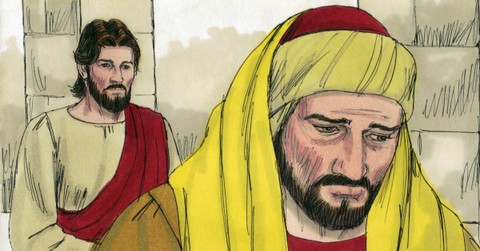
The Rich Young Ruler narrative has become one of the most famous and frequently discussed encounters in Jesus’ ministry. Pastors, teachers, and Bible study leaders often turn to this passage when addressing topics like wealth, discipleship, eternal life, caring for the poor, and following Jesus. While a simple account on the surface, beneath it all lies a complex and rich message that continues to confront believers today.
People assume the story focuses on the dangers of wealth, which it does, but money is a symptom of something much deeper, which Jesus addresses. Christ explores the goodness of God, what eternal life means, the generous life of a disciple, and more. What we trust in becomes what we worship. If not God, it’s an idol.
We'll explore this story more below. Let’s first look at what kind of man the Rich Young Ruler was.
Who Was the Rich Young Ruler in the Bible?
The Rich Young Ruler appears in all three Synoptic Gospels: Matthew 19:16-22, Mark 10:17-22, and Luke 18:18-23. By combining the details from each account, we can get a fuller picture of the man who approached Jesus with the central question of Scripture: “What must I do to have eternal life?”
Matthew reveals him as a young man, and Luke calls him a ruler, showing he held some position of authority. He appears to be Jewish, and if a ruler, likely held a place of leadership in a synagogue or the community. The Gospels tell us he possessed great wealth. The Bible doesn’t give us his name or much more.
In the culture of first-century Judea, this man stood near the top of local society. Being young, he probably came from a prominent family, owned property, and had influence within the community. From the Old Testament examples of Abraham and Solomon, Jews would have viewed his wealth as evidence of God’s blessing, especially combined with a religious position.
However, unlike many of the wealthy or religious elite of Jesus’ day, this Rich Young Ruler humbled himself enough to ask a sincere question. Jesus recognized his sincerity and felt compassion for him. The young man ran to Jesus and knelt before him before asking how he could inherit eternal life.
When Jesus pointed to the commandments, the man quickly listed how he had kept them since his youth. Jesus didn’t argue whether or not the young man obeyed those commandments or lived a moral life to some degree. Mark records how Jesus looked at him and loved him.
Despite the young man’s status and wealth, he lacked one thing, which Jesus pointed out. His material possessions would become a barrier to following Jesus and having the eternal life he desired.
Yet despite his status, wealth, and morality, the ruler lacked one thing: complete surrender to God. His possessions had become a barrier to wholehearted discipleship.
The rich young ruler represents a person many would consider successful, religious, and respectable. His story demonstrates that wealth, influence, and moral behavior cannot replace total trust in Christ. Through this encounter, Jesus revealed that eternal life requires more than outward obedience—it requires a heart willing to follow Him above everything else.
Why Did the Rich Young Ruler Ask Jesus about Eternal Life?
The rich young ruler approached Jesus with a question that lies at the heart of the Christian faith: "What must I do to inherit eternal life?" His question appears in all three Synoptic Gospels and reveals a sincere concern about his standing before God. Despite his wealth, influence, and moral reputation, he recognized that something remained incomplete in his spiritual life.
To understand the question, readers must understand how first-century Jews viewed eternal life. Many Jews believed God would one day raise the righteous and establish His kingdom. They spoke of "the age to come," a future era when God would defeat evil, judge the wicked, and bless His faithful people. Eternal life referred not merely to living forever but to sharing in God's future kingdom and enjoying His favor forever.
The rich young ruler wanted assurance that he would participate in that coming age. He likely expected Jesus to identify an additional act of obedience, sacrifice, or religious duty that would guarantee his place among the righteous.
Jesus first directed the man's attention to God's commandments. The ruler responded that he had kept these commands since his youth. Outwardly, he had lived a moral and religious life. Yet Jesus exposed a deeper issue. The man's problem did not involve ignorance of the law but attachment to his wealth.
The Gospels present eternal life as more than endless existence after death. Jesus described eternal life as a restored relationship with God that begins in the present and continues forever. In the Gospel of John, Jesus connects eternal life with knowing the Father and the Son. Eternal life involves participation in God's kingdom, fellowship with God, forgiveness of sins, and resurrection in the age to come.
By asking about eternal life, the rich young ruler raised the right question. However, he sought the answer in personal achievement rather than complete trust in God. Jesus showed him that eternal life cannot be earned through moral effort alone. Instead, it comes through surrender, faith, and discipleship. The ruler wanted a task to perform, but Jesus invited him into a relationship that required giving God first place in his heart.
What Does it Truly Mean to Be “Good”?
The young ruler asked, “Good Teacher, what must I do to inherit eternal life?”
Before answering the question, Jesus challenged the young ruler’s idea of goodness. “Why do you call me good? No one is good except God alone,” Jesus says. The young ruler couched his request with a “doing” mentality. Jesus’ response might seem surprising, but to transition to the truth of eternal life, Christ used the moment to redirect the conversation to “being.”
Jesus didn’t deny his divinity. His question led the ruler to think carefully about the title he used. Did the man recognize Jesus as God? Or was he trying to compliment Jesus? The reality of eternal life (and how to attain it) is absolutely tied to a proper understanding of goodness.
Scripture continually points to God alone as good and the standard of goodness. The Psalms declare the Lord is good. Every good gift comes from him, and his goodness works with other aspects of his character: righteousness, holiness, justice, mercy, and love. Human beings can do good things, but no person is, at our core, perfect in nature. All people fall short of God’s goodness and glory and require his salvation and grace.
Jesus’ goodness wasn’t tied to his actions. Christ’s righteousness flowed from his divine, perfect nature. He is good, so he does good.
The Rich Young Ruler thought he had kept the commandments since his youth, and he likely did amazing things. He lived a morally upright life, but he still questioned whether he did or would have the eternal life Jesus taught about. Jesus needed to redefine goodness from something we attain to a person and a source. Only by submitting to and following the one who is good can we hope to be good ourselves.
The Bible also regularly connects goodness with generosity toward those in need. God demonstrates his love and goodness by providing for his people and showing compassion for those in need, from salvation to food and clothing to the poor. God has a major heart for the poor. The Law, the Prophets, and the teachings of Jesus call people to reflect God’s generous nature. A “good person” doesn’t only avoid sin; he or she loves and gives.
Why Did Jesus Tell the Rich Young Ruler to Sell Everything?
Jesus didn’t randomly choose an instruction to give the young man. He recognized the specific problem within the Rich Young Ruler’s heart. The man identified himself as a good person and probably believed he was blessed with wealth because of it. Jesus’ direction to sell everything and give it to the poor went straight to the heart of the young man’s identity and exposed where he was placing his hope and comfort in this world: in wealth and status, rather than in God.
While it might seem harsh to us on the surface, Jesus’ response to the young man came from love. Christ looked at him, loved him, and told him, “One thing you lack.” Jesus met the young man’s sincerity with truth, releasing him from an identity based on wealth and influence and helping him find a new one based on love. Sell everything and give to those who can’t give back to you.
The rich young ruler walked away sorrowful because he had great wealth.
Jesus frequently taught about radical generosity to the poor. In Luke 12:33, Jesus taught, “Sell what you have and give alms.” This was to a crowd, many of whom were probably poor themselves. Yet Jesus explained that if they would give in such a way, they would store up treasure in heaven, wealth they couldn’t lose. Jesus didn’t condemn wealth or possessions, but he warned against allowing temporary things to become a source of security, identity, or worship.
Even the Old Testament gave these warnings. Before heading into the Promised Land, Moses warned the Israelites not to let the blessings of the “land of milk and honey” tempt them away from relying solely upon God (Deuteronomy 8:11-14).
After the Rich Young Ruler walks away, Jesus addresses wealth, also teaching how hard it is for the wealthy to enter the Kingdom of God.
The Rich Young Ruler’s sin wasn’t wealth but misplaced trust and identity. Jesus’ command to him was a type of spiritual diagnosis, revealing what the man valued most, even more than eternal life. By giving to the poor, the ruler would show his love for others and dependence upon God. The “doing” would reveal the heart, a desire for eternal reward instead of worldly things.
What Lessons Does the Rich Young Ruler Teach Modern Christians?
Although most Christians don’t possess great wealth or influence, we face the same temptations regarding money, possessions, and security.
1. First, the story challenges modern consumerism. Through advertising and capitalism, our culture constantly encourages us to acquire more, get something new and better, and define success through material possessions. Jesus reminds us that life isn’t based on what we own. Money and material things make poor masters. They don’t love us, can’t love us, and they distract us from the greater blessing and wealth of the Kingdom.
2. Second, the encounter points us back to God as the only good. Everything we possess ultimately comes from him. Our resources aren’t personal achievements or anything to trust in. We should see them as gifts from a good Father for our provision and to bless others. In this, we should trust God alone for all our needs.
3. Third, the rich young ruler teaches us to reflect God’s heart toward the poor. Jesus told the ruler to give to the poor because such generosity reveals a person transformed by God’s grace. We honor God when we use our resources to serve others, especially those who can’t give back to us, rather than accumulate more for ourselves. When we give not expecting anything in return from others, we store up reward where it matters, in eternity.
This eternal perspective answered the question, “What do I do to have eternal life?” See God alone as good, find our source in him, and act generously in such a way to reveal that God's Kingdom has come to earth. This is having eternal life.
Peace.
Photo credit: ©Getty Images/BibleArtLibrary




.800w.tn.jpg)